
What Are Roof Warranties and Why Do They Matter?
Roof warranties protect homeowners from certain costs if roofing materials or workmanship fail within a specified period. In Clarence, NY, where winters can be harsh and weather changes are frequent, understanding what your warranty does—and doesn't—cover can help prevent frustration and unexpected expenses.
A roof warranty is essentially a written guarantee, typically coming from either the manufacturer (materials) or the installer (workmanship), outlining what kinds of problems the warranty covers, for how long, and what the process is for filing a claim.
What Types of Roof Warranties Exist?
Most warranties for roofs in the area fall into two main categories: manufacturer material warranties and contractor workmanship warranties.
- Manufacturer Material Warranty: Covers defects in roofing materials, such as shingles or underlayment. For example, if shingles crack or disintegrate prematurely due to a manufacturing flaw, this type of warranty may pay for replacement materials.
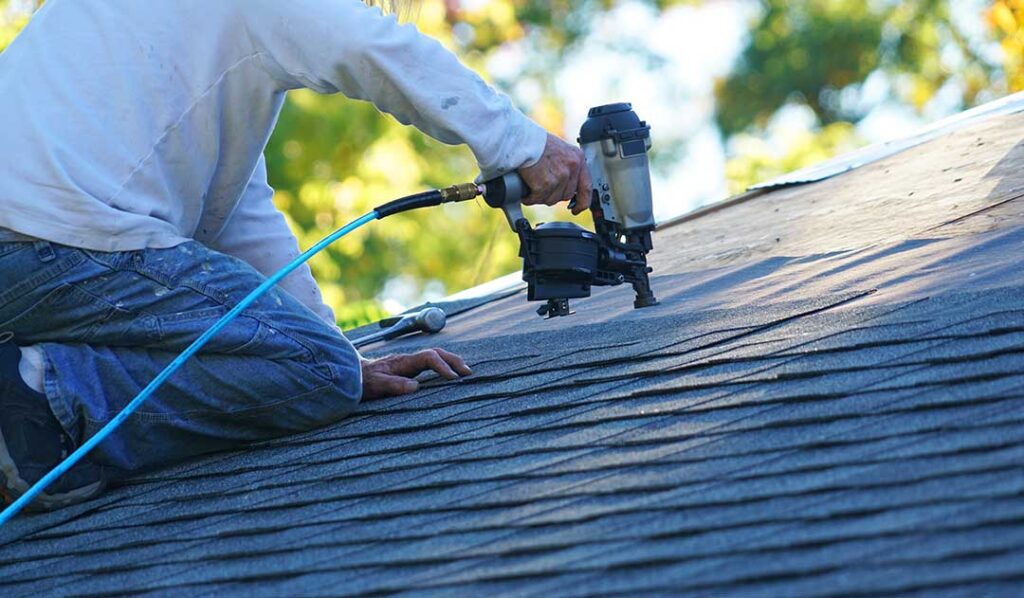
- Workmanship Warranty: Provided by the installer, this protects against errors made during the installation. If, for instance, improper nailing leads to leaks and damage, the installer may be responsible for repair costs.
Some roofs have additional, extended, or upgraded warranties, but these usually come with more requirements, such as mandatory periodic inspections.
What Is Typically Covered—and What Isn’t?
Standard manufacturer warranties usually guarantee that roofing materials are free from manufacturing defects. However, weather-related damage (like hail, wind, or ice dams) often requires a separate type of policy, such as a homeowner’s insurance claim.
Typical coverage might include:
- Shingles that crack, split, or deteriorate under normal conditions
- Underlayment or waterproofing failures (if specifically included)
Not usually covered:
- Roof damage from severe storms, tree branches, or ice damming
- Issues that result from improper attic ventilation
- Leaks caused by installation errors, unless a workmanship warranty also applies
It’s common for Clarence residents to expect more from their warranty than it actually provides. For example, many assume any roof leak is automatically covered, but unless the problem stems from a covered defect, repairs could be an out-of-pocket expense.
How Long Do Roof Warranties Last?
Durations vary widely, so reading the warranty document closely is essential. Typical material warranties last 20-50 years, with “lifetime” sometimes meaning coverage for as long as the original homeowner owns the house.
Workmanship warranties are generally shorter, often ranging from one year up to 10 years, depending on the installer’s policies.
Local weather patterns—significant snowfall, freeze-thaw cycles, and strong winds—place added stress on roofing systems. Although a 30-year warranty sounds reassuring, some issues may be considered outside the scope due to environmental factors.
What Voids a Roof Warranty?
Several overlooked actions or conditions can void a warranty, leaving Clarence households without protection:
- Adding a new layer of shingles over old roofing, if not explicitly allowed by the warranty
- Using non-approved materials or components
- Failing to ventilate the attic properly (a common issue in older homes)
- Improper installation by non-certified contractors
- Skipping regular maintenance or roof inspections if required by the warranty terms
Even routine changes—like installing a satellite dish or skylight—might impact your coverage unless handled according to manufacturer and installer guidelines.
What Should Residents of Clarence, NY Look for in a Warranty?
When reviewing or comparing roof warranties, focus on the specific wording and requirements. Questions to ask include:
- What exactly is covered, and for how long?
- Are both materials and labor included in case of a defect?
- Does coverage transfer to a new homeowner if you sell your house?
- Are weather-related issues addressed at all, or should you rely on insurance alone?
- What steps does the warranty require for regular maintenance, recordkeeping, or reporting a problem?
Given Clarence’s four distinct seasons and substantial winter snow loads, choose a warranty that clearly defines protections against issues such as ice damming and wind-driven rain, even if those protections are limited.
What Is the Claim Process Like?
Filing a warranty claim usually involves documenting the issue thoroughly and providing proof of regular maintenance or inspections if required. This might include:
- Photographs of the problem area
- Copies of invoices from previous inspections or repairs
- A detailed description of the defect or leak
Expect a representative or adjuster to inspect the roof before any approval of repairs. Homeowners are sometimes surprised to find that the process can move slowly, especially after major storms when many claims are made at once.
Common Myths and Misunderstandings About Roof Warranties
Residents in the community often hold some misconceptions about warranty coverage. For instance:
- "A warranty covers any roof leak." Most warranties have exclusions, and only leaks caused by specific, covered defects are included.
- "Lifetime" means forever, no questions asked. Many “lifetime” warranties are pro-rated or limited to the original homeowner, and may involve declining coverage as time passes.
- Roof inspections are unnecessary if a warranty is in place. Many warranties require periodic professional inspections to stay valid. Skipping these can jeopardize coverage.
Staying informed helps clarify what costs homeowners are responsible for and what protections actually exist.
How Can Homeowners Keep a Roof Warranty Valid?
The best way to maintain warranty protection is to follow all warranty requirements and documentation processes, such as:
- Scheduling recommended inspections (especially after severe weather)
- Keeping records of maintenance, repairs, and correspondence with the manufacturer or installer
- Using only approved products and contractors for any work on the roof
For many homes in Clarence, these simple habits mean the difference between a denied claim and valuable coverage when it’s needed most.
