
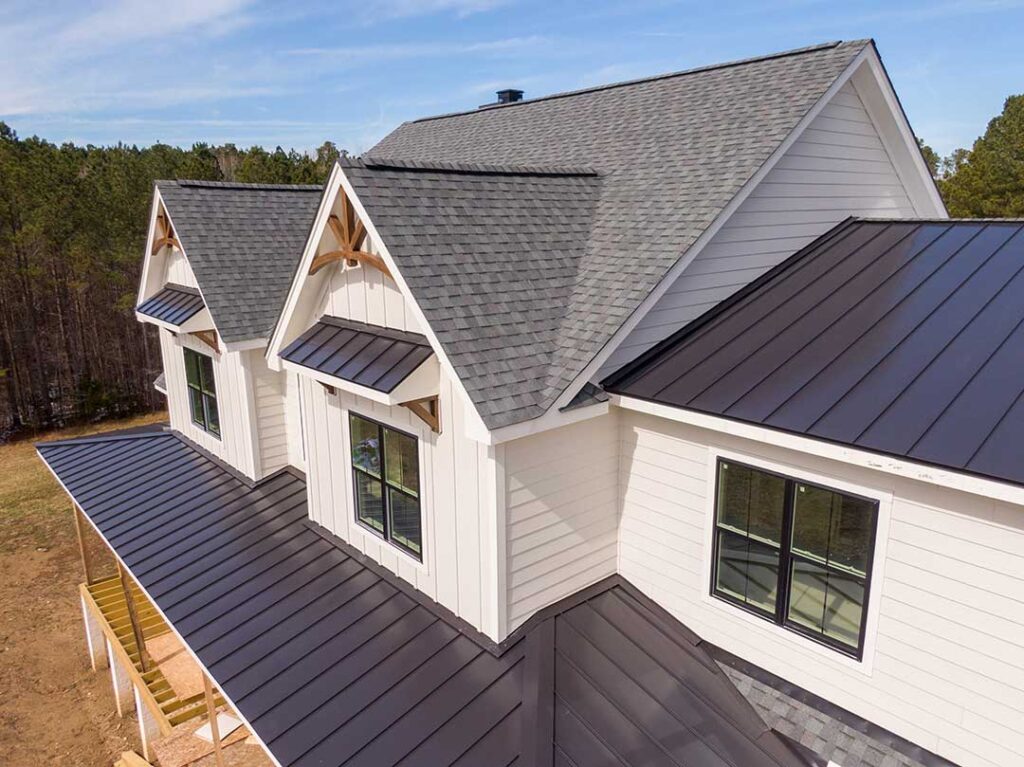
Why Does Winter Roof Prep Matter for Clarence, NY Homes?
Brief periods of heavy snow, ice, and freezing rain are common throughout the winter months in Clarence, NY. These conditions can quietly wear down roofs or cause sudden issues that disrupt daily life. Proper winter preparation helps area households avoid costly leaks, water damage, ice dams, or unexpected repairs at the coldest times of year.
Unlike areas with mild winters, the region’s mix of lake-effect snow, wind, and temperature swings makes local roof readiness essential, even if a roof looked problem-free during summer or fall.
What Should Residents Check Before Cold Weather Arrives?
Start with a simple, visual check each fall. Look both from the ground and while safely using a ladder, if comfortable doing so. The main goal is to identify obvious risks—missing shingles, blocked gutters, broken vents, or debris piles.
Key areas to look at include:
- Shingles: Watch for curling, cracked, damaged, or missing shingles. These create entry points for water and increase the risk of leaks as ice or snow accumulates.
- Flashing: Check metal seals around chimneys, skylights, and vent pipes for gaps or rust.
- Valleys and Seams: These are natural collection points for snow and water runoff; any debris or visible gaps may lead to ice damming.
- Gutters and Downspouts: Inspect for sagging, blockages, or loose connections, which can cause overflow or add weight and stress to the edge of the roof.
Addressing visible issues early helps prevent “surprise” water leaks after the season’s first freeze-thaw cycles.
How Do Gutters Affect Winter Roof Performance?
Gutters and downspouts play a crucial role in protecting Clarence homes during winter. When they are filled with leaves or ice, water cannot drain away from the roof as snow melts, which can cause water to back up under shingles or form ice dams.
Clear gutters fully before the first freeze. In heavily wooded parts of Clarence, another cleaning in late fall is wise after most leaves have fallen. Downspout extensions, when used, should remain clear to keep water flowing away from the home’s foundation.
Some residents overlook the role of icicles. While often seen as a normal winter sight, large or persistent icicles can signal that water is not draining properly and may lead to hidden roof or gutter issues.
What Is an Ice Dam and How Can It Be Prevented?
In Clarence, ice dams occur when melting snow refreezes at the edge of the roof, trapping additional meltwater behind it. This water can seep under shingles, damaging roofing materials and insulation—sometimes without obvious signs indoors until a major leak forms.
Simple prevention steps include:
- Ensuring attic insulation is even and adequate—this keeps roof surface temperatures more consistent.
- Checking attic ventilation to reduce warm air buildup; vented soffit and ridge vents help maintain the right air flow.
- Sealing gaps leading from heated rooms into the attic, such as around plumbing vents or light fixtures.
Homeowners often wrongly assume ice dams are only caused by harsh storms; even moderate snowfalls combined with poor insulation or clogged gutters can create damaging dams.
How Should Debris Be Managed?
Remove leaves, branches, and other debris from the roof surface before winter. Even modest amounts can trap moisture and speed up deterioration, especially after freeze-thaw cycles. On low-sloped roofs, debris can also block drains.
Avoid using sharp tools, metal rakes, or anything that could damage shingles. For two-story homes or steep roofs common in Clarence, safety is paramount—consider a roof rake with a telescoping handle or ask for help from a family member or neighbor if needed.

What Indoor Checks Help Winter-Proof a Roof?
A quick attic inspection often reveals risks that can’t be seen from outside. Look for:
- Damp or moldy insulation, which may show slow, ongoing leaks from roof defects.
- Sunlight shining through the roof boards—signs of gaps needing repair.
- Proper venting: If attic vents are blocked by insulation or stored items, airflow suffers, raising the chance of ice damming and moisture buildup.
Unnoticed attic problems can increase heating bills and accelerate roof aging through moisture damage or repeated freeze/thaw cycles.
Are There Local Weather Risks That Residents Might Overlook?
A few climate factors are easily missed in the Clarence area. For example, strong winds common near open fields can lift or curl shingles, especially along gable ends. Revisit these edges after major wind events, not just after snow.
Lake-effect snow can pile up rapidly in short bursts, sometimes stressing older roofs more than gradual snow over time. It’s helpful to track snow depth on the roof as winter progresses; several feet of compacted snow can be unusually heavy.
Unheated garages or porches attached to main structures may behave differently—snow melt may linger, or ice may accumulate longer in shaded corners.
Can Small Repairs Be Done Before Winter, or Should They Wait?
Most minor fixes—such as replacing a few shingles, resealing chimney flashing, or tightening a loose gutter bracket—can be performed before winter if dry conditions and moderate temperatures allow. This is often safer and longer-lasting than trying to patch problems during winter.
However, anything involving working above icy surfaces, fixing major structural problems, or addressing persistent leaks where mold is present should be delayed or handled with proper help. Safety–especially from falls—is a valid concern during late autumn, when surface frost or damp leaves make ladders and roofs more slippery than expected.
How Often Should Winter Roof Inspections Be Repeated?
In Clarence, most homeowners find it useful to assess their roofs twice per year: once in late fall (after most leaves have dropped) and again in early spring (to check for damage caused by snow or ice). In neighborhoods with mature trees or particularly exposed sites, a quick look after major storms or sudden temperature changes helps catch less obvious risks.
Routine checks and simple preventive actions usually go far in keeping roofs intact throughout the harshest months. Consistent attention to details like insulation, ventilation, and water flow can make a winter in Clarence much easier and less stressful for local households.
