
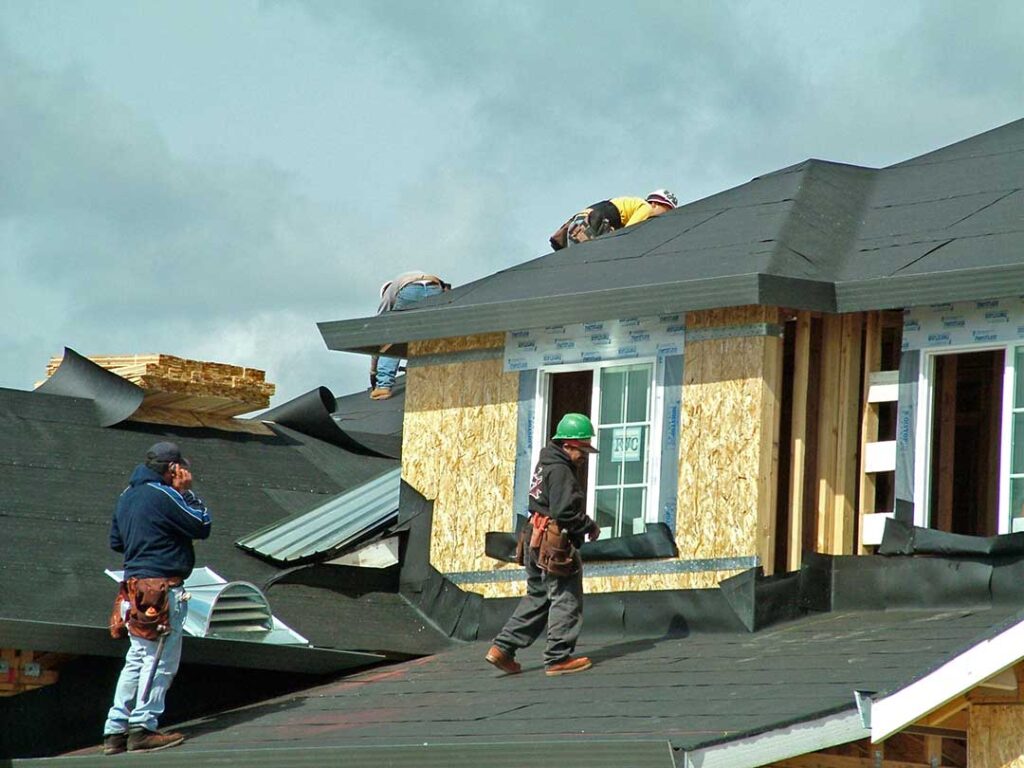
Why Should Clarence, NY Homeowners Prepare Their Roofs for Hurricane Season?
Hurricane season brings severe weather, including high winds and heavy rain, that can significantly stress local roofing systems. In Clarence, where strong summer storms are not uncommon, thorough preparation is an effective way to safeguard both property and personal safety. Addressing vulnerabilities before storm season helps reduce the likelihood of water damage and costly repairs.
What Are the Most Common Roof Vulnerabilities During High Winds?
Areas that tend to fail during storms are usually those that are already weakened or poorly maintained. Common trouble spots include:
- Loose or missing shingles, tiles, or flashing, which can be ripped away by strong gusts
- Damaged soffits, fascia, or vents allowing water infiltration
- Blocked gutters causing water to pool and back up under roofing materials
- Trees or limbs overhanging the roof, increasing the risk of impact damage
- Aging sealants around chimneys, skylights, or vent pipes that may have dried or cracked
Simple visual inspections can help identify many of these risks before severe weather arrives in the community.
How Can Roof Inspections Help Before Hurricane Season?
Regular roof inspections allow homeowners to catch small issues before they become major problems during a storm. A basic inspection should include:
- Scanning for any visible torn, curling, or missing shingles
- Examining flashing around penetrations and valleys for signs of rust, gaps, or displacement
- Checking that vents and pipe boots are securely fastened and free of cracks
- Ensuring gutters and downspouts are clear of debris and draining water away from the house
In Clarence, where homes may have a mix of older and newer roofs, routine seasonal checks are particularly valuable after winter freeze-thaw cycles have stressed materials.
Are There Steps Homeowners Can Take to Secure Roofs Themselves?
Yes, some tasks are safe and practical for local residents without specialized equipment or roof access. Homeowners can:
- Trim tree branches away from the roof and remove any dead or loose limbs from nearby trees
- Clean gutters and check that downspouts direct water at least several feet from the home's foundation
- Nail or screw down any loose siding, soffits, or fascia within easy reach
- Check from the attic for signs of leaks or daylight showing through the roof deck
Shingle repairs or climbing onto steep or high roofs should be left to someone with proper safety equipment and experience.
Is Roof Age a Factor in Vulnerability During Storms?
Older roofs are generally more at risk during hurricane season, particularly if shingles show signs of significant wear or if multiple repairs have already been made over the years. In Clarence, many homes have roofing installed 15-20 years ago; shingles might be approaching the end of their useful life and become brittle or lose protective granules. For these properties, owners should be especially vigilant and plan for timely replacement if repeated storm damage occurs.
What Materials Withstand Local Storm Conditions Better?
Steep-slope asphalt shingles are the most common in the area and generally perform well when installed and maintained properly. For those considering replacement and looking to improve resilience, impact-rated architectural shingles and metal roofing both offer improved wind and hail resistance. However, installation quality and ongoing maintenance are as crucial as material selection—regardless of upgrade, even premium roofs can fail if components are loosely attached or flashing details are neglected.
What Local Conditions Should Clarence Residents Watch Out For?
The community’s tree canopy and frequent summer rain showers add to the risks. Homeowners should:
- Watch for “ice dam” damage from snowy winters, which can weaken roofs and create entry points for summer rain
- Be aware that loose leaves and seeds are notorious for blocking gutters in wooded neighborhoods, leading to localized flooding and water intrusion
- Consider how prevailing wind directions in storms could funnel debris or rainwater into roof valleys or behind chimneys
Clarence’s mix of mature trees and occasionally heavy rainfall means regular outdoor maintenance is as important as rooftop checks.
How Can Homeowners Tell If Damage Has Occurred After a Storm?
Sometimes, the need for roof repairs only becomes apparent after severe weather passes. Residents should look for:
- Water spots or sagging sections on ceilings or walls inside the home
- Shingle granules collected in gutters or on the ground near downspouts
- Exterior damage such as torn, missing, or out-of-place shingles
- Debris sitting atop the roof or lodged against flashing and gutters
If leaks are found, temporary containment (such as buckets or plastic sheathing indoors) is helpful until exterior repairs can be addressed when safe.
What Safety Considerations Should Be Followed During Hurricane Prep?
For safety, homeowners should avoid attempting repairs or cleanup on wet or wind-damaged roofs. Using tall ladders without assistance or climbing onto steep slopes introduces significant fall risks, especially during or immediately after a storm. In some cases, such as suspected structural instability or large fallen trees, outside help is necessary for protection.
Are There Local Regulations or Insurance Concerns to Consider?
Clarence residents should be aware that homeowner’s insurance may require proof of regular maintenance to approve storm-related claims. Additionally, local building codes may specify standards for re-roofing or storm repairs. Checking with the city's building department can clarify current guidelines and ensure that work (whether homeowner- or contractor-completed) complies with local requirements.
