

What Is Ice Damming?
Ice damming is a winter roofing problem where water from melting snow refreezes at the edge of a roof, forming a ridge or "dam." This dam prevents proper drainage, causing water to back up under shingles and leak into the home. For residents of Clarence, NY, with cold winters and frequent freeze-thaw cycles, ice dams are a common seasonal concern.
Ice dams usually appear after heavy snow followed by sunny days or mild winter weather. The attic’s warmth can melt snow on the roof surface, but cold eaves allow water to freeze before it drains away.
Why Do Ice Dams Form in This Region?
Clarence, NY experiences harsh winters with significant snowfall, fluctuating temperatures, and periods of thaw and re-freeze. Homes here often have sloped roofs, sometimes with minimal attic insulation or ventilation—two critical factors.
Most ice dams in the city develop because:
- Heat leaks from the living space into the attic, warming the roof and melting snow.
- The melted water flows down until it hits the colder, unheated eaves and gutters.
- Water then freezes along the roof edge, forming a growing ice ridge.
Deep snowpack, common in Clarence winters, adds weight and insulation, amplifying the effect. Historical homes or those with additions and complex rooflines may notice more issues.
What Are the Risks and Signs of Ice Dam Damage?
Ice dams can cause significant problems beyond icicles. The immediate risk is water seeping beneath shingles, leading to stains on ceilings or walls, moisture in attics, and sometimes dripping inside the home. Prolonged issues can result in mold growth, damaged plaster or drywall, warped flooring, and insulation deterioration.
Signs area households may notice include:
- Large icicles hanging from gutters
- Water stains near exterior walls or ceilings
- Paint peeling indoors, often above windows
- Dampness or frost in the attic
Residents sometimes assume all winter leaks are roof problems, but ice dams are often the true underlying cause.
How Can Area Residents Prevent Ice Dams?
Preventing ice dams mainly involves stopping rooftop snow from melting unevenly and improving drainage at the roof edge. In Clarence, practical prevention steps include:
Improve Attic Insulation and Air Sealing
Properly insulating the attic keeps heat inside the living space and prevents snow from melting on the roof. Air sealing—blocking gaps around pipes, chimneys, lights, and attic access—keeps warm air out of the attic and reduces heat transfer.
- Add insulation as needed to reach recommended levels for cold climates
- Seal attic bypasses such as vent stacks, fans, and pull-down stairs
Ensure Adequate Roof Ventilation
A well-ventilated attic keeps the roof deck cold, decreasing the chance of uneven melting. Soffit and ridge vents help air circulate, carrying away warm air and moisture from the attic. In neighborhoods with older or expanded homes, checking for blocked, inadequate, or missing vents is worthwhile.
Maintain Proper Gutter and Downspout Drainage
Clean gutters and downspouts before and during winter, if possible. Leaves, ice, or debris create blockages that worsen ice buildup at the eaves.
- Double-check for low spots or sagging sections that could collect slush or refreeze
Safely Remove Snow From the Roof
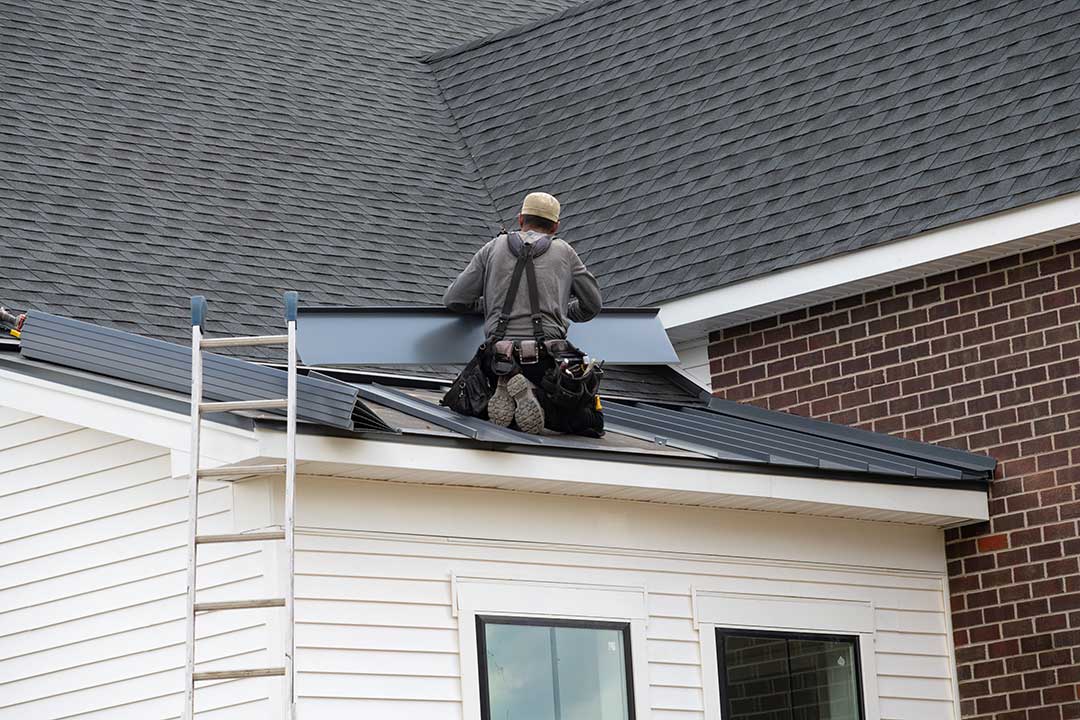
After a heavy snowfall, removing excess snow can reduce ice dam risk. Using a roof rake with a telescoping handle allows homeowners to clear lower sections of the roof from the ground. It is safest to remove snow to a few feet above the eaves, focusing on high-risk roof edges and overhangs.
Never use sharp tools or climb on icy roofs—such methods risk shingle damage and personal injury.
What Are Common Myths or Misunderstandings About Ice Dams?
Ice damming is sometimes misunderstood, leading to misplaced repairs. In Clarence, some common misconceptions include:
- Believing more attic ventilation always solves the problem, when air leaks and insulation are often the primary causes.
- Assuming only old roofs get ice dams; new construction can have issues if insulation and sealing are not adequate.
- Thinking ice melt tablets or other products alone prevent water intrusion—these may temporarily open channels in ice, but don’t address the root problem.
Addressing both heat loss and drainage together is typically most effective.
Are There Long-Term Solutions for Recurring Ice Dams?
For homes where ice damming is a persistent issue, longer-term strategies help protect both roof structure and indoor spaces. In addition to insulation and ventilation upgrades, households may consider improvements like:
- Installing self-adhering waterproof membranes under roofing material during re-roofing projects
- Extending downspout outlets away from the foundation to stop refreeze near the house
- Modifying or venting attic spaces to maintain consistent temperatures
Residents considering major insulation, ventilation, or roof structure changes should consult current local building practices to ensure safe and effective installation.
When Should Homeowners Seek Professional Help?
While most ice dam prevention steps can be managed safely by the homeowner, there are cases where persistent or severe ice dams, extensive water damage, or attic mold require specialized assessment or work. Large-scale ice removal, electrical heating cable installation, and structural repairs should be handled by those with the experience and equipment for cold-climate roofing safety.
