

Why Is Roof Drainage So Critical in Clarence, NY?
Good roof drainage prevents water damage, extends the lifespan of roofing materials, and protects the structure of homes—concerns that are especially pertinent in Clarence, NY, where seasonal rain, snowmelt, and freeze-thaw cycles challenge roofing systems every year.
Many area homes have steeply pitched roofs, common for handling snow loads, but even flatter portions require the right drainage to avoid trapped moisture. Without effective systems, water can seep under shingles or accumulate on roofs and around foundations, leading to rot, mold, and issues such as ice dams.
What Makes an Effective Roof Drainage System?
An effective roof drainage system channels water quickly and safely off the roof and away from the home’s foundation. Key components include:
- Roof pitch compatible with typical precipitation and snowfall
- Gutters sized for local rainfall intensity
- Downspouts that discharge far enough from the foundation
- Clear roof valleys and properly placed flashing
- Adequate ice and water barrier underlayment
For Clarence, gutters and downspouts are especially vital given the heavy spring rains and rapid snow melts.
How Should Gutters Be Installed and Maintained?
Gutters should be securely attached, sloped slightly (about ¼" per 10 ft) toward the downspouts, and sized for the roof’s area. In this area, 5" or 6" gutters are typical for most homes.
Routine gutter maintenance is essential:
- Clear leaves, twigs, and pine needles at least twice per year—late fall and spring are good times
- Ensure hangers are tight and sections are sealed to prevent sagging and leaks
- Watch for signs of overflow during storms, as this signals possible clogs or insufficient downspout capacity
Some residents use gutter guards to reduce debris buildup, but these also need regular checks since small particles and ice can still block water flow.
What About Downspout Placement and Extensions?
Downspouts should direct water at least 4-6 feet from the foundation. Poorly placed or missing extensions often cause basement seepage and soggy landscaping in Clarence.
Practical tips include:
- Adding downspout extenders or splash blocks to guide water further away
- Checking for crushed or disconnected ends, especially after snow removal or lawn maintenance
- Running extensions above ground or using buried drain pipes (with correct grading) to avoid freeze issues
It's also smart to distribute roof runoff—never allowing one congested spot to collect large volumes of water, especially near walkways or driveways that can ice up in winter.
How Does Snow and Ice Impact Roof Drainage?
Snow accumulation and freeze-thaw cycles present unique challenges. Blocked gutters or poorly insulated attics can lead to ice dams—thick ridges of ice that prevent drainage, causing water to back up under shingles.
Preventative measures for Clarence households include:
- Keeping gutters clear before winter to avoid trapped ice
- Installing proper attic insulation and ventilation to maintain even roof temperatures
- Using ice and water shield membrane starting at the eaves, reaching at least 24” inside exterior walls, as often required by local building codes
Avoid using metal shovels to clear snow from roofs or gutters, as this can damage materials.
How Does Roof Shape and Design Influence Drainage?
A roof’s pitch, shape, and features greatly influence how water moves off the surface.
- Steeply pitched roofs, common in the city, shed water and snow more efficiently than low-sloped or flat roofs
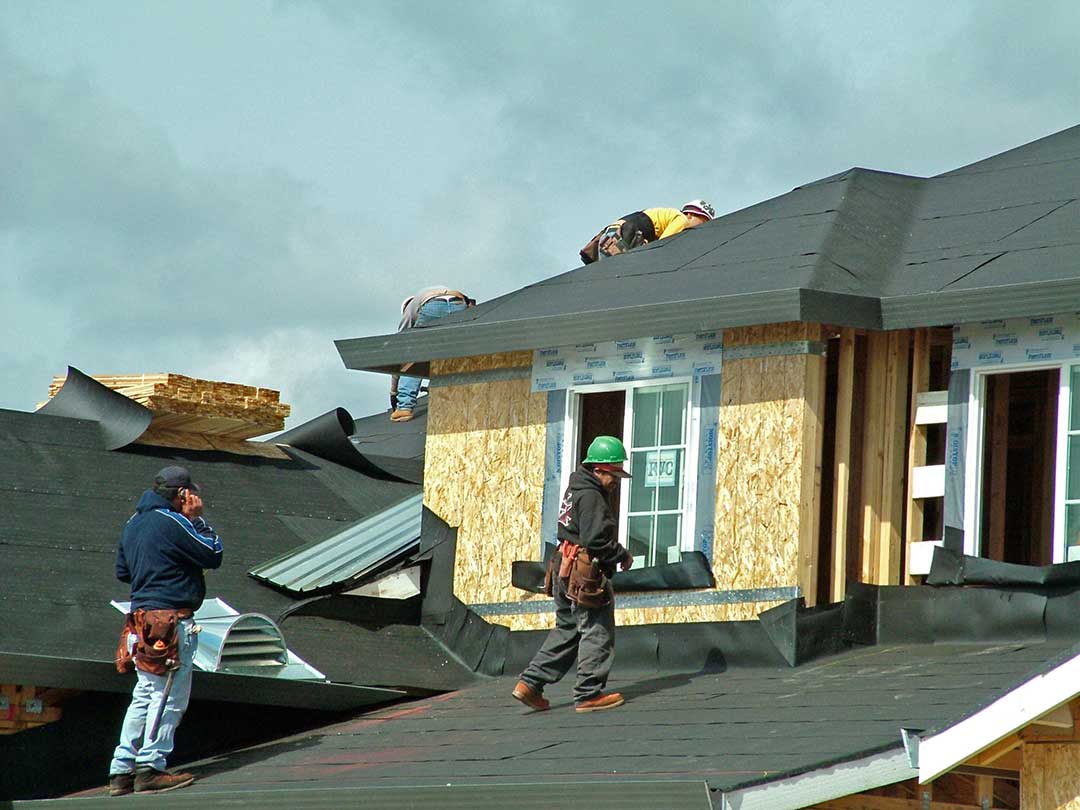
- Valleys and dormers often collect more debris, so these areas deserve extra attention for cleaning and flashing inspection
- Flat or low-slope roofs may need internal drains or scuppers; these must be kept clear of debris and checked for pooling after storms
Some homes have complex rooflines where multiple valleys converge. In these spots, oversized gutters or additional downspouts may be necessary.
What Are Signs of Poor Roof Drainage?
Homeowners in Clarence should look for these warning signs:
- Overflowing gutters during rainstorms
- Water stains under eaves or on siding
- Peeling paint or mildew on exterior walls
- Erosion or puddling near foundation walls after rainfall
- Icicles or ice dams forming along roof edges
Addressing these early helps prevent larger problems like shingle damage, interior leaks, or basement flooding.
Are There Local Regulations on Roof Drainage?
Local codes typically require ice and water shields and specify minimum setbacks for drainage away from foundations. New construction in Clarence must follow these guidelines to ensure safe water management.
For older homes, updates may be needed to meet current standards. Always check with local building authorities if planning modifications that alter how or where roof water is discharged.
What Common Misconceptions Lead to Roof Drainage Issues?
Some area homeowners believe that only large storms cause problems, but persistent light rain or frequent snowmelt can also overwhelm poorly maintained systems. Others think gutter guards make maintenance unnecessary, but all drainage systems need occasional inspection.
A frequent oversight is assuming water naturally flows away from the house. Settling soil, landscaping changes, or clogged underground pipes can reverse drainage, funneling water back toward basement walls.
Regularly walking the perimeter after a storm or snowmelt can reveal subtle issues before they cause major inconvenience.
