

Why Does Roof Color Matter for Homes in Clarence, NY?
The color of your roof has a bigger impact than many expect—shaping curb appeal, affecting energy costs, and even influencing your home's long-term value. In Clarence, NY, residents face unique seasonal challenges, including icy winters and warm, sometimes humid summers. These climate factors, plus the area’s mix of home styles and tree-lined neighborhoods, make roof color selection both a practical and aesthetic decision.
How Do Seasonal Temperatures Influence Roof Color Choices?
Seasonal temperature swings in Clarence mean that the color of your roof can impact how your house absorbs and retains heat. Lighter shades reflect more sunlight, helping to keep attics cooler during summer, which can make a difference on warm, sunny days. Conversely, darker shades absorb more heat, potentially helping with snow melt in the winter but raising attic temperatures in summer.
- Light gray, tan, or even soft green roofs may suit homes hoping for slightly cooler summers.
- Dark black, brown, or deep green roofs can accelerate snow melt but may increase cooling demands when sunny days are frequent.
Neighborhood context matters too. Heavily shaded homes may have less sun exposure, making the cooling benefits of a light roof less significant than for houses with full sun.
What Roof Colors Match Traditional Home Styles in the City?
Homes across Clarence span from historic farmhouses and cape cods to newer craftsman and colonial builds. While personal preference should guide your choice, certain colors naturally complement common architectural styles in the area.
- Colonial or traditional homes often pair well with medium to dark grays, black, or classic slate hues.
- Farmhouse designs look appealing with natural wood-tones, deep browns, or muted green shingles.
- Modern or newer suburb homes provide more flexibility; soft earth tones, charcoal, and even lighter, muted blues can work depending on exterior siding colors.
Visual harmony between the roof and siding, brickwork, or trim results in a balanced look that fits the character of local neighborhoods.
Are Homeowners’ Associations or Local Rules a Factor?
While Clarence, NY does not have widespread roof color restrictions, some subdivisions or developments may have homeowners’ associations (HOAs) with appearance guidelines. Before settling on a bold color or pattern, residents should check neighborhood covenants to avoid unexpected compliance problems.
HOA rules may specify allowed shades, prohibit certain colors, or require roofing materials that look harmonious with neighboring properties. Even in areas without HOAs, coordinating with nearby homes can help maintain the overall aesthetic appeal of the community.
Does Roof Color Affect Energy Efficiency or Ice Dams?
Color plays a modest but real role in a home’s energy efficiency. Light-colored roofs reflect solar radiation, keeping upper floors and attics cooler, which matters during extended summer periods. This can potentially lower cooling needs, though in Clarence’s climate, summer heat is a shorter-lived concern than in southern regions.
In winter, darker roofs may encourage snow and ice on the roof to melt quicker during sunny stretches. However, heat loss from inside the house—rather than roof color—remains the biggest contributor to ice dam formation. Proper attic insulation and ventilation matter more than color alone in preventing ice buildup.
Common misconception: Simply choosing a dark roof will not eliminate ice dams. Effective prevention depends on minimizing heat loss into the attic and keeping roof ventilation clear.
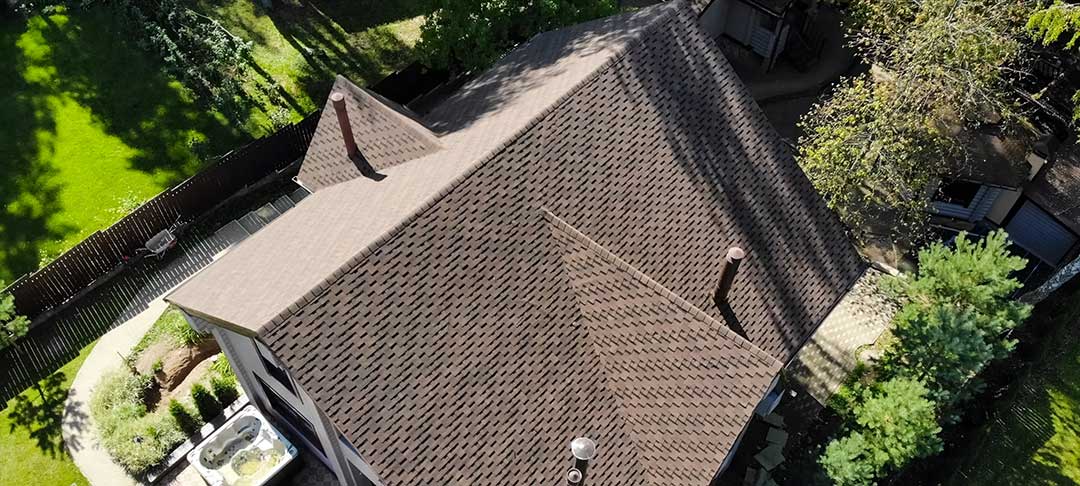
How Do Sunlight and Shade Impact the Appearance of Roof Colors?
The same roof shingle can appear vastly different on a cloudy, overcast day versus in bright sunlight. Houses that get full southern exposure often make light colors seem brighter and darker hues appear deeper. For homes under mature trees or in heavily shaded areas, some colors may look duller or cooler.
Viewing sample shingles at different times of day and under a range of lighting conditions helps avoid surprises after installation. Local residents often borrow large samples, setting them on the roof or against exterior siding to better visualize true color.
What Maintenance Factors Relate to Roof Color Choice?
Certain colors are more forgiving when it comes to visible staining from algae, moss, or fallen leaves—especially in tree-heavy neighborhoods common throughout Clarence. Darker shingles tend to camouflage stains and buildup, while lighter shades may highlight them, creating a patchy look over time unless cleaned regularly.
Also, some modern shingles feature treatments or materials designed to resist discoloration and moss growth. If roof maintenance is a concern, ask about these options when comparing colors at a material supply store.
Can Local Wildlife or Seasonal Debris Affect Roof Color Appearance?
Leaves, seeds, and branches are a common sight on rooftops in the area, particularly in autumn. Lighter roofs can show this natural debris more readily, although regular maintenance is the best solution. Birds and squirrels, typical local visitors, don't generally influence color choice but may be something to consider for those sensitive to staining.
What are Subtle Trends or Missteps Clarence Residents Should Know?
Many homeowners focus just on the roof in isolation, forgetting how it ties in with exterior paint, doors, and trim. For the most cohesive effect, coordinate samples together. A multi-toned or “patchwork” appearance can result if the roof varies starkly from the rest of the home’s palette.
A common misstep is choosing a color based strictly on interior preferences or national trends, rather than what best fits the home’s surroundings and exposure. While bold colors can create visual interest, timeless neutrals tend to age well and blend naturally with the area’s mature landscapes.
Making an Informed Roof Color Decision
Choosing a roof color in Clarence comes down to a blend of style, climate awareness, and practical maintenance considerations. Residents are encouraged to consider their home’s position, neighborhood context, and long-term upkeep when reviewing samples. By paying attention to how colors interact with New York’s changing seasons and the city’s distinctive residential character, area families can select a color that stands the test of time.
