

What Is Roof Pitch and Why Does It Matter?
Roof pitch simply refers to how steep a roof is. It’s measured as the ratio of vertical rise to horizontal span—commonly described as “X inches of rise per 12 inches of run.” The pitch of a home’s roof affects drainage, durability, appearance, and suitability for the local climate. For residents in Clarence, NY, understanding roof pitch helps ensure homes stand up to the region’s snowy winters and occasional heavy rainfall.
A steep roof allows snow and rain to slide off more easily, which can be important in areas where seasonal accumulation is common. In contrast, a low-slope or nearly flat roof may need extra care to avoid leaks or pooling water.
How Is Roof Pitch Measured?
Most often, roof pitch is measured in the field by looking at how much the roof rises vertically over 12 inches of horizontal run—frequently called “rise over run.” For example, a “6/12 pitch” means the roof rises 6 inches for every 12 inches across. This measurement can be taken with a level and a tape measure from the roof’s edge.
Different terms are sometimes used:
- Low slope (2/12 to 4/12): Not quite flat, but not steep.
- Medium slope (4/12 to 8/12): Most common in the city’s homes.
- High slope (above 8/12): Steeper roofs, often found on older or more architecturally distinct houses.
Knowing your roof’s pitch can be helpful during repairs, replacements, or when planning for potential modifications (such as installing solar panels or new ventilation).
How Does Roof Pitch Affect Performance in Clarence?
In Clarence, roof pitch impacts both weather resistance and ease of maintenance. Steeper roofs shed snow and ice quickly, helping to prevent heavy accumulation that can stress roof structures during harsh winters. A gentler pitch might require more frequent snow removal—especially after a lake-effect storm.
A low-pitch roof presents challenges:
- Snowmelt may refreeze at the eaves, increasing the risk of ice dams.
- Water is slower to run off, so quality waterproofing becomes even more important.
- Leaves and debris from nearby trees have a tendency to build up, necessitating regular cleaning.
By contrast, a steep roof generally means better drainage and fewer maintenance headaches with winter weather—though accessing these roofs for cleaning or repairs may be more difficult and could pose extra safety concerns.
What Are Typical Roof Pitches in the Community?
Many homes in Clarence feature medium or steep pitches, especially among single-family houses built to withstand heavy snowfalls. Styles like Cape Cods, Colonials, and raised ranches often have roof pitches ranging from 5/12 to 9/12. Some newer developments may use lower slopes for contemporary aesthetics, but these always require careful attention to insulation and waterproofing due to weather patterns in the area.
Garages, sheds, and porches sometimes have lower-sloped roofs. Residents should be mindful that these smaller structures are also vulnerable to the same regional weather conditions and might need more routine care.
Does Roof Pitch Influence Material Choice?
Yes—roof pitch is a major factor in deciding which roofing materials are appropriate. For example:
- Asphalt shingles, among the most common materials in the city, generally require a pitch above 2/12 for best performance.
- Metal panels can work on both steep and low-slope roofs but require proper seam design and underlayment for less sloped surfaces.
- Flat roofs (less than 2/12) are typically finished with membranes, like EPDM or TPO, that are specifically designed to resist ponding water.
Choosing the right material for your roof’s pitch helps prevent leaks, blow-off, and other common issues, especially through the area’s changing seasons.
What Problems Can the Wrong Roof Pitch Cause?
An unsuitable or improperly installed pitch can lead to problems such as:
- Leaks from standing water during spring melt or summer rains.
- Heavy snow build-up that causes structural stress or collapse.
- Higher risk of ice dam formation and related water damage, particularly on low-slope surfaces.
- Premature wear or failure of roofing materials not meant for the slope.
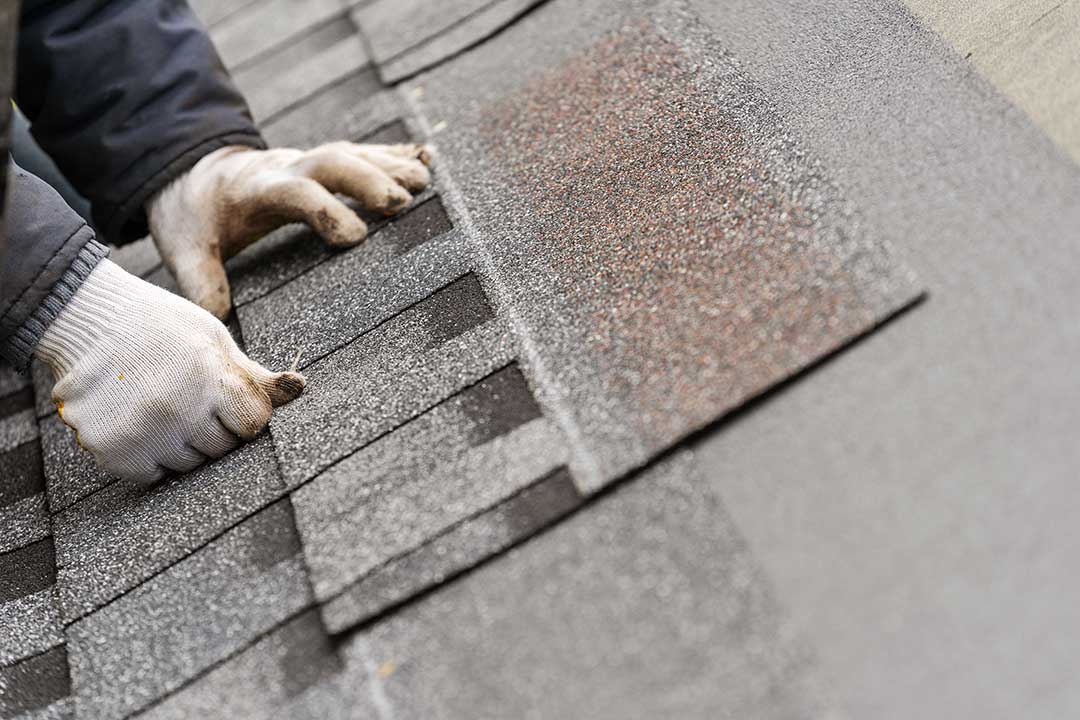
Residents sometimes underestimate the importance of pitch, assuming any shingle or tile will suffice as long as it covers the building. However, matching the pitch with appropriate materials is a basic yet critical step for longevity.
Are There Building Codes or Local Requirements for Roof Pitch?
Local building codes do have minimum requirements for roof pitch, especially for residential structures. Most codes require a certain minimum slope for asphalt shingles—usually 2/12 or higher—and specify additional underlayment or membrane details for lower slopes.
Residents planning a new build, addition, or roof replacement should check with city permitting offices and review any specific code requirements. Working with a builder or roof designer who is familiar with local codes helps ensure that both safety and performance standards are met.
Common Myths: Is Steeper Always Better?
Not necessarily. While steeper roofs manage snow and water more efficiently, they are not “better” in every case. Some local residents assume that upgrading to a very steep roof angle will eliminate all winter problems, but these roofs can be expensive to build and maintain.
Considerations for steeper pitches:
- They may require special safety equipment for cleaning or repair.
- Gutters and downspouts may need to be different sizes or positioned uniquely.
- The look and architectural style of your home may be impacted.
Every roof’s ideal pitch depends on a balance between climate, material, local code, and personal preference.
What Should Residents Consider When Evaluating Roof Pitch?
Homeowners in the city should weigh several factors if thinking about roofing changes:
- How does the current roof handle snow and rain?
- Is there a history of ice dams, leaks, or heavy snow accumulation?
- Has the roof material matched the pitch appropriately?
- Are attic insulation and ventilation adequate to support the chosen roof pitch?
A well-chosen roof pitch can extend a roof’s life and keep a home dry, safe, and comfortable, no matter the season.
