
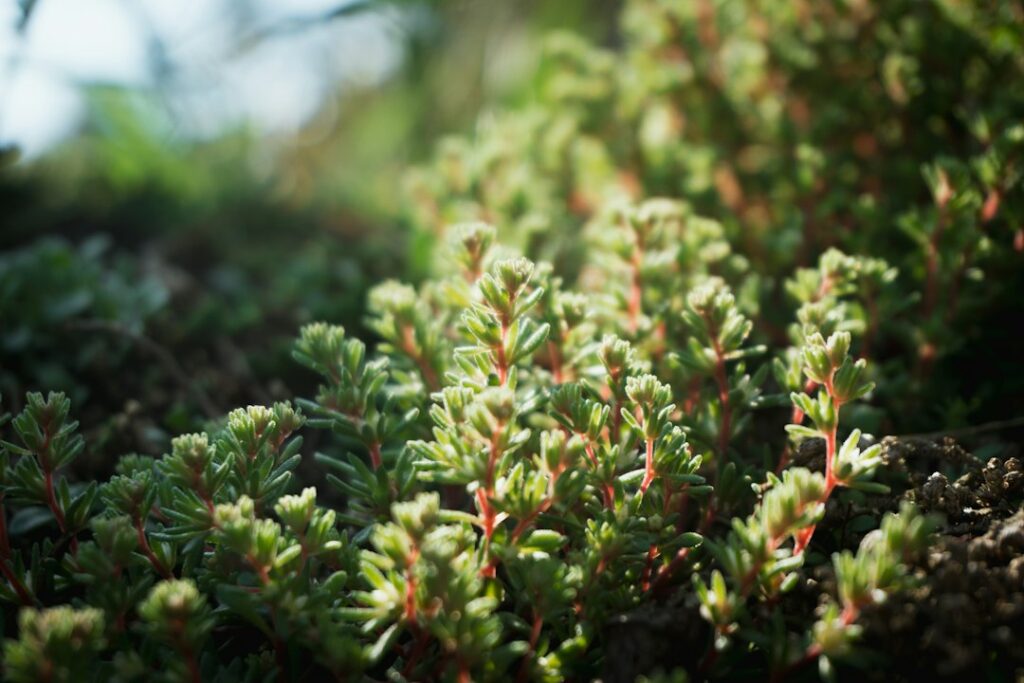
What does “green roofing” mean?
Green roofing can refer to several different approaches, not just a roof covered with plants. For homeowners, the term usually includes living roofs, reflective or “cool” roofing materials, roof-mounted solar systems, and roofing choices designed to reduce waste or manage rainwater.
These options have different costs, maintenance needs, structural requirements, and environmental benefits. A planted roof may support stormwater control and insulation, while a reflective roof may reduce summer heat gain without adding soil or vegetation. Solar panels generate electricity but do not replace the need for a properly designed roof system.
For households in Clarence, the most suitable option depends on roof slope, snow exposure, drainage, structural capacity, sunlight, and how long the homeowner expects to remain in the property.
Are living green roofs practical in Clarence?
A living roof can work in this region, but it requires more planning than a conventional roof. The system typically includes a waterproof membrane, root barrier, drainage layer, growing medium, and carefully selected plants.
The local climate creates both opportunities and challenges. Winters bring snow, freezing conditions, rain, and repeated thaws. A green roof must handle the weight of saturated growing material, snow accumulation, and water that may freeze and expand around drainage components.
Living roofs are generally easier to design on low-slope roofs, garages, additions, porches, and other structures with suitable access. They are less common on steep residential roofs because soil, plants, and water-control layers are difficult to secure safely on a sharp slope.
A lightweight extensive green roof is usually more realistic for a residence than an intensive roof garden. Extensive systems use a shallow growing medium and low-maintenance plants. They are not intended to function as ordinary yard space, and they still require periodic inspection.
Before installation, the roof structure must be evaluated. A roof that supports ordinary shingles may not automatically support a planted system, especially after the growing medium becomes saturated or snow accumulates.
What are the main benefits?
Green roofing can provide useful environmental and building-performance benefits, although the results depend heavily on design quality and maintenance.
Potential advantages include:
- Reduced stormwater runoff during moderate rainfall
- Added protection for the waterproofing membrane from sunlight and temperature swings
- Some improvement in roof insulation and interior comfort
- Habitat for pollinating insects when appropriate plants are used
- Reduced heat absorption compared with a dark, exposed roof surface
- A longer service life for some roof membranes when the system remains properly maintained
A planted roof does not eliminate the need for gutters, drains, overflow protection, or regular inspections. Heavy rain can exceed the storage capacity of the growing medium, and snowmelt still needs a reliable path away from the building.
The environmental value is also affected by transportation, manufactured materials, irrigation needs, replacement cycles, and the energy used to install the system. A green roof is not automatically the most sustainable choice in every situation.
Are reflective roofs a simpler green option?
Often, yes. A reflective roof uses a light-colored or specially designed surface that absorbs less solar heat. This can reduce heat gain during warm weather, particularly in buildings with low-slope roofs and limited attic ventilation.
Reflective roofing does not provide the same stormwater or habitat benefits as a planted roof. However, it usually involves fewer structural changes and less ongoing care. For many homes, improving attic insulation and air sealing may produce more noticeable energy savings than changing roof color alone.
Reflective materials can also become dirty or weathered over time, which may reduce their performance. Their usefulness is greatest when considered as part of a broader roofing and ventilation plan rather than as a stand-alone upgrade.
In a cold-climate community, summer heat reduction is only one factor. Roof design must also address winter moisture, ice formation, ventilation, and the durability of flashing and drainage details.
Can solar panels be considered green roofing?
Solar panels are better described as a renewable-energy improvement than a green roof, but they are often discussed alongside sustainable roofing options. They can reduce electricity purchased from the grid, but their value depends on roof orientation, shading, panel placement, electrical requirements, and the condition of the existing roof.
Panels are usually best installed on a roof with many years of service life remaining. Installing them over an aging roof can create additional labor and removal costs if the roof needs replacement later.
Snow does not necessarily make solar impractical, but winter production is lower because of shorter daylight hours, cloud cover, and snow accumulation. Panel layouts should also preserve access to roof drainage, vents, and other components that may need inspection.
A solar installation should never be used to cover leaking, structurally weakened, or poorly ventilated roofing. The roof must remain sound independently of the panels.

What maintenance does a green roof require?
A living roof is not maintenance-free. At least seasonal inspections are generally needed to check:
- Drainage outlets and overflow paths
- Membrane edges and flashing
- Plant coverage and unwanted growth
- Erosion or exposed membrane
- Sediment buildup
- Damage from animals, wind, or falling branches
- Areas where standing water remains too long
Vegetation should not be allowed to block drains or grow into flashing details. Plants should be chosen for the roof’s exposure, wind, drought periods, and winter conditions. A system that requires frequent irrigation may provide fewer environmental benefits than expected.
Access is another practical issue. If the roof cannot be safely inspected, maintenance becomes more difficult and small problems may go unnoticed until they cause leaks.
What should Clarence homeowners check before choosing one?
The first question is not whether a green roof sounds environmentally appealing. It is whether the existing building can support the system safely and drain water reliably.
Important factors include:
1. Roof slope and shape: Low-slope roofs are usually easier candidates for living systems.
2. Structural capacity: Soil, saturated growing media, plants, snow, and maintenance loads must all be considered.
3. Roof age: Sustainable improvements are more practical when the underlying roof is in good condition.
4. Drainage: Gutters, internal drains, scuppers, and overflow routes must remain accessible.
5. Winter exposure: Freeze-thaw cycles and snow loads require durable membranes and secure edge details.
6. Sun and shade: Solar panels need useful sunlight, while plants need conditions suited to the roof.
7. Access and safety: Inspection routes and fall protection should be part of the design.
8. Local approval: Roofing work may require permits or code review depending on the scope and building type.
New York’s building requirements address structural safety, roof assemblies, drainage, fire performance, and related construction issues. Requirements can change as state code editions are updated, so permit and code questions should be confirmed before construction begins.
Is a green roof worth the cost?
For most homeowners, the answer depends on the goal. A living roof may be worthwhile when stormwater management, habitat, roof protection, or a long-term environmental project is the priority. It may be less attractive when the main objective is the lowest initial cost or the simplest maintenance routine.
A reflective roof may offer a lower-complexity sustainability improvement. Solar may make sense when the roof has suitable sun exposure and enough remaining service life. In some homes, insulation, air sealing, improved ventilation, durable flashing, or a longer-lasting roof covering may provide greater practical value.
The most responsible choice is usually the one that fits the building, handles local winter conditions, and can be maintained for decades. A green label alone does not guarantee good performance; careful design, drainage, structural review, and realistic upkeep matter more.
