
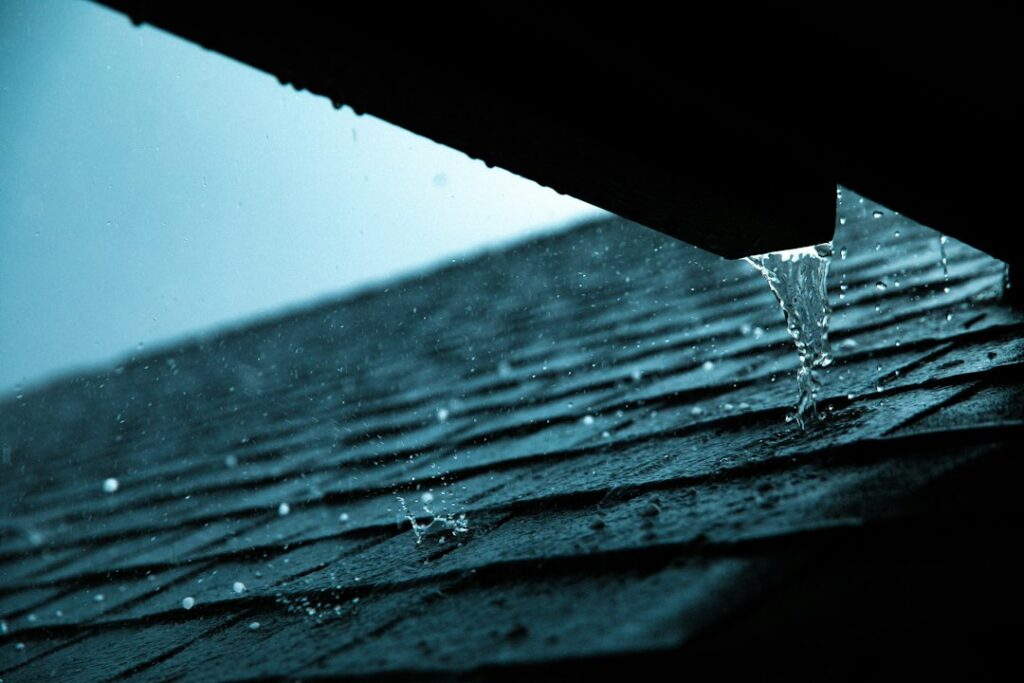
A roof problem rarely stays limited to the original damaged shingle, flashing joint, or small leak. In Clarence, NY, repeated snow, ice, wind, rain, and freeze-thaw cycles can turn minor roof damage into moisture intrusion, structural deterioration, insulation problems, and expensive interior repairs.
What happens when a small roof leak is ignored?
An unattended leak allows water to travel beyond the point where it first enters the roof. Water may move along roof decking, rafters, insulation, attic flooring, or wall framing before appearing as a ceiling stain.
That means the visible mark inside the home may not be directly beneath the damaged roofing material. By the time discoloration appears, moisture may already have affected several layers of the building.
Common signs of a developing leak include:
- Brown or yellow ceiling stains
- Peeling paint or bubbling drywall
- Damp attic insulation
- Musty odors
- Dripping around light fixtures or vents
- Darkened wood near roof penetrations
- Water appearing only during wind-driven rain
A roof can also leak intermittently. A dry ceiling during several weeks of fair weather does not prove that the underlying problem has disappeared.
Why are roof leaks especially concerning during winter?
Cold weather creates conditions that can enlarge existing roof defects. Snow can cover damaged shingles, loose flashing, or open seams, making the original problem difficult to see. As temperatures rise and fall, trapped moisture freezes, expands, and contracts.
Ice buildup near roof edges can also interfere with drainage. If water cannot flow freely into the gutter system, it may collect beneath roofing materials or back up near eaves and wall edges. This is commonly associated with ice dams, but blocked drainage and poor attic ventilation can also contribute.
Winter roof concerns include:
- Water entering beneath shingles during melting periods
- Ice pulling on gutters and fascia boards
- Snow loads adding stress to weakened roof decking
- Freeze-thaw movement widening cracks around vents and chimneys
- Slippery conditions that make inspection dangerous
A damaged roof does not necessarily collapse under ordinary snowfall, but weakened decking, saturated insulation, and accumulated ice can increase risk. Roof surfaces should not be walked on during icy or snowy conditions without appropriate safety equipment and training.
Can neglected repairs damage the structure of a house?
Yes. Persistent moisture can weaken wood components, including roof decking, rafters, trusses, fascia, and framing around openings. Wood may soften, warp, split, or develop fungal decay after repeated wetting.
Structural damage often progresses gradually. A homeowner may first notice a stain or musty smell, while the more serious issue is hidden above the ceiling or inside an exterior wall.
Moisture can also cause fasteners and metal components to corrode. As these connections weaken, roofing materials may become less secure during strong wind or heavy weather.
The risk is higher when a roof has several unresolved issues at once, such as missing shingles, deteriorated flashing, clogged drainage paths, and sagging areas. Each defect can make the effects of the others more severe.
How can a roof problem affect insulation and energy use?
Wet insulation loses much of its insulating ability. Even after the roof stops leaking, insulation may remain damp for an extended period, especially in areas with limited air movement.
Reduced insulation performance can lead to:
- Colder ceilings and upper-floor rooms
- Uneven indoor temperatures
- Greater demand on heating equipment
- Condensation in attic spaces
- Moisture-related odors
A roof repair that only covers the exterior opening may not address wet insulation or damp framing below it. Materials inside the attic should be checked for moisture and allowed to dry properly when necessary.
Poor attic ventilation can make winter and summer problems worse. In cold weather, warm indoor air that reaches the attic may condense on cooler surfaces. In warmer weather, trapped heat can accelerate the aging of roofing materials and increase stress on the roof system.
What health concerns can result from ongoing roof moisture?
Roof leaks do not automatically create a health hazard, but prolonged dampness can support mold and mildew growth. These conditions may aggravate allergies, asthma, and sensitivity to indoor air quality.
Mold can develop on drywall, wood, insulation facings, stored belongings, and other porous materials. It may remain hidden behind walls or above ceilings until odors or visible growth appear.
Households should pay attention to:
- Persistent earthy or musty odors
- New respiratory irritation after a leak
- Discoloration spreading on ceilings or walls
- Damp materials that do not dry
- Repeated condensation in the attic

If water reaches electrical wiring, outlets, ceiling fixtures, or junction boxes, the issue becomes more urgent. Electricity and moisture create a shock and fire hazard. The affected area should be treated cautiously, and power may need to be shut off until the condition can be evaluated safely.
Does delaying a repair really make the cost higher?
Often, yes. A limited repair may involve replacing a small amount of roofing material or resealing a vulnerable joint. Delay can allow water to damage underlayment, roof decking, insulation, drywall, paint, flooring, or personal property.
The cost increase is not caused only by the roof itself. Interior materials, stored belongings, and structural components may all become part of the repair.
A common misconception is that a roof must be actively dripping before action is justified. Water can seep slowly for months without producing a dramatic leak. Small recurring wet spots, damp insulation, or stains that reappear after storms should be taken seriously.
Which roof problems should be treated as urgent?
Some conditions deserve prompt attention because they can worsen quickly or create a safety hazard:
- A large or rapidly spreading ceiling stain
- Water near electrical fixtures
- Sagging roof decking or ceiling areas
- Missing roofing materials after high winds
- A damaged chimney, vent, or roof penetration
- Extensive ice buildup with interior leaking
- A fallen branch or impact damage
- Visible daylight through the attic roof deck
- Roof debris blocking drainage
- Strong signs of structural movement
Emergency conditions may require temporary measures to limit additional water entry, but temporary coverings are not a permanent repair. Interior water should be collected safely, and wet electrical areas should not be touched.
How can residents spot roof damage before it becomes severe?
A seasonal visual check from the ground can identify warning signs without placing anyone on the roof. Look for missing, lifted, curled, cracked, or heavily worn shingles; sagging lines; damaged flashing; overflowing gutters; and granules collecting near downspouts.
After major wind, rain, or snow, inspect accessible attic areas with a flashlight. Look for damp wood, wet insulation, rusted fasteners, stains, or signs of recent water movement. Keep records of recurring leaks, including the weather conditions when they occur.
Roof maintenance also includes keeping drainage paths clear and watching areas around chimneys, skylights, plumbing vents, and roof-to-wall transitions. These locations are more vulnerable because they interrupt the continuous surface of the roof.
For steep, icy, or visibly damaged roofs, climbing can create greater danger than the original problem. Safe observation from the ground or from an accessible attic is preferable, while hazardous conditions may require evaluation by a qualified roofing or building-safety professional.
A delayed repair can affect much more than appearance. Addressing warning signs before moisture spreads helps protect the roof structure, indoor air quality, insulation, electrical systems, and the rest of the home.
